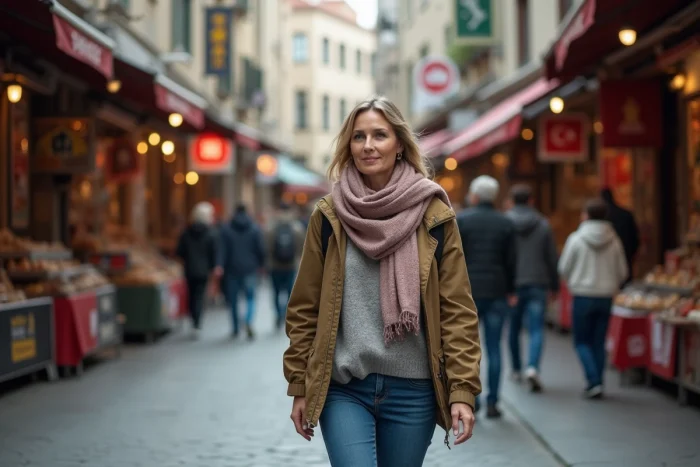
Figures on the rise, alerts maintained: Istanbul withstands everything, even concerns. While official recommendations guide the planning of trips, visitors continue to flock, driven by the myth and the promise of a unique experience. The streets still vibrate, tourist traffic remains strong, but each instruction takes on a new significance in people’s minds.
In Istanbul, advice evolves with the news, but the city never retreats. Borders remain open and planes land relentlessly. There are indeed some restrictions in certain rural areas, but in the central neighborhoods, the atmosphere remains electric, fueled by the desire to explore. Traveling in Istanbul means juggling institutional alerts, rumors shared on social media, and lived experiences, all while keeping an eye on every notification.
Istanbul and Security: Current Situation
The allure of the megacity between Europe and Asia remains undeniable. Between historic mosques, the Bosphorus shore, Sultanahmet, or Beşiktaş, visitors flock where security is palpable: visible police, checks, multilingual services. These central areas remain dynamic because they are also the best monitored.
However, as soon as one strays from the busy arteries, reality becomes more nuanced. In the evening, some neighborhoods require more attention. Here’s what travelers concerned about avoiding misadventures regularly report:
- Some areas, such as Tarlabaşı, Dolapdere, Kasımpaşa, Kuştepe, Aksaray, and Laleli, have a bad reputation after dark. Walking alone there, far from familiar surroundings, increases the risks of a bad encounter.
- In crowded places, such as public transport, the Grand Bazaar, Istiklal Avenue, or around Sultanahmet, pickpockets are on the lookout. Keeping belongings close helps avoid many disappointments.
- The trick of overpriced taxis, the steep bill in certain bars, persistent shoeshiners, or unscrupulous vendors are still prevalent. Using a reliable app to book a taxi and not responding to all solicitations significantly limits problems.
Even more striking: the management of demonstrations, especially around Taksim Square, can disrupt traffic and throw plans into disarray. Adjusting one’s itinerary according to the schedule of gatherings proves wise.
To gather updated advice, testimonials, and verified recommendations, the page safety and dangers in Istanbul compiles essential information to know before or during the stay.
Managing Small Risks to Avoid Big Troubles
Some concrete reflexes make a difference in Istanbul. Here are examples of behaviors that reduce anxiety and mishaps:
- Closing your bag, keeping money and passport out of reach (e.g., in an inner pocket) effectively protects against theft on public transport and in markets.
- BiTaksi or Uber remain guarantees of peace of mind for travel. Being firm, without aggression, with touts discourages most nuisances.
Few drink tap water. Opting for bottled water is part of the routine. Eating where the local clientele is numerous, avoiding empty or dubious establishments, or choosing bars known for serving alcohol helps steer clear of many unpleasant surprises.
Going out late, crossing an isolated neighborhood alone is not mandatory. While nights are generally safe in central districts, maintaining a minimum level of attention is advisable. Families, solo travelers, or LGBTQ+ individuals naturally adjust their habits according to the context, and most leave with a positive memory, far from anxiety-inducing clichés.
Be cautious while shopping: returning with a counterfeit exposes you to heightened checks at the airport. Keeping a copy of your passport stored separately, jotting down a few emergency contacts, and having genuinely effective travel insurance is not a luxury; when an unexpected event occurs, these precautions can save the day.
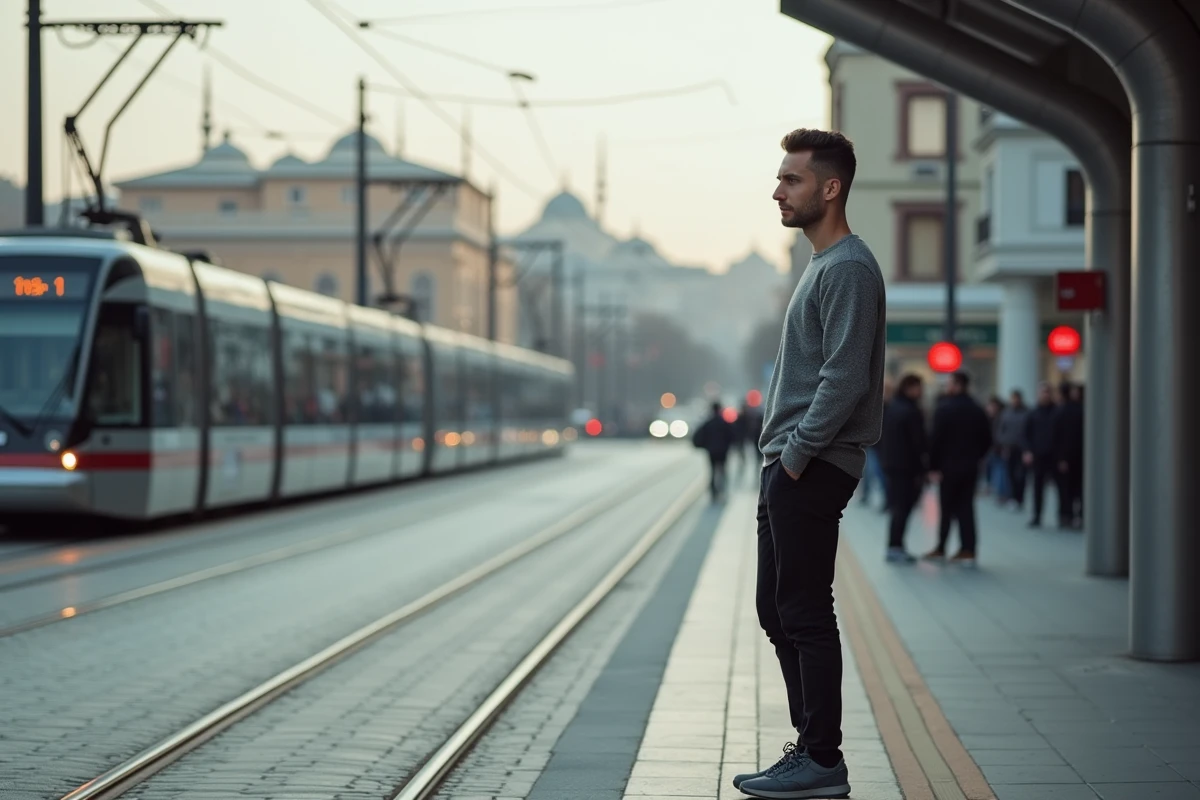
Information, Context, Responsiveness: Stay Well-Informed
Turkey, a pivot between Europe and the Middle East, is not limited to Istanbul. Some provinces near Syria or Iraq are regularly subject to warnings. Here are the areas considered high-risk according to the latest official sources:
- Hatay, Kilis, Gaziantep, Şanlıurfa, Mardin, Şırnak, Hakkari, Siirt, Batman, and Diyarbakır should be avoided if the idea was to discover Turkey from a classic tourism perspective.
For the vast majority, the choice falls on Istanbul, Antalya, or Cappadocia, far from these sensitive perimeters. Recommendations emphasize: monitor the weather context, do not ignore an earthquake, and stay informed in real-time as part of the journey. Institutional sites like France Diplomacy or registration on Fil d’Ariane provide access to reliable alerts. Being attentive to messages from the French Consulate General in Istanbul can guide the right decision if the situation demands it.
Whether exploring Istanbul for the first time or returning, one reality remains: the city calls for active vigilance, never for constant worry. Here, living in the moment and anticipating is to move forward in an intense setting, where anything can happen, but where the unexpected is also part of the journey.