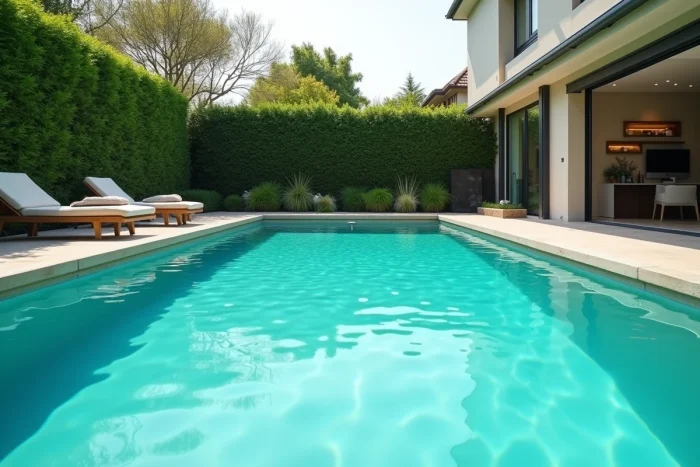
The magnesium treatment relies on an electrolysis of enriched mineral salts, not on a simple substitution of chlorine. The electrolysis cell generates chlorine from the saline mixture, but the presence of magnesium chloride significantly alters the water chemistry: more stable pH, natural flocculating power of magnesium ions, reduction of irritating chlorinated by-products. Understanding this mechanism is essential for accurately assessing the true budget of a magnesium pool.
Converting an existing pool to magnesium: cost items and equipment compatibility
The majority of articles approach the topic from the perspective of new construction. In practice, we observe that demand is increasingly focused on converting pools already equipped with traditional salt electrolysis.
The first item to examine is the electrolysis cell. Not all salt cells are compatible with a magnesium mixture. The MagnaPool system from Zodiac uses a specific cell (Hydroxinator) designed to withstand the enriched mineral composition. In a standard salt installation, simply replacing the salt bags with a magnesium mixture without changing the cell exposes the electrodes to premature wear.
Before initiating a conversion, it is necessary to assess compatibility in advance with the manufacturer of the existing cell. Some equipment suppliers offer conversion kits that include a cell, regulation probe, and initial bags of mineral salt. Others require a complete replacement of the electrical box.
The second often underestimated item is the filtering media. The MagnaPool system recommends recycled glass media instead of traditional sand. This media improves filtration fineness and contributes to water clarity, but it represents an additional cost compared to sand. We recommend budgeting for the replacement of the filtering media in the overall calculation to avoid unpleasant surprises.
Anyone looking to detail the cost of a magnesium pool must include these conversion items, which represent a significant portion of the total budget for an existing pool.
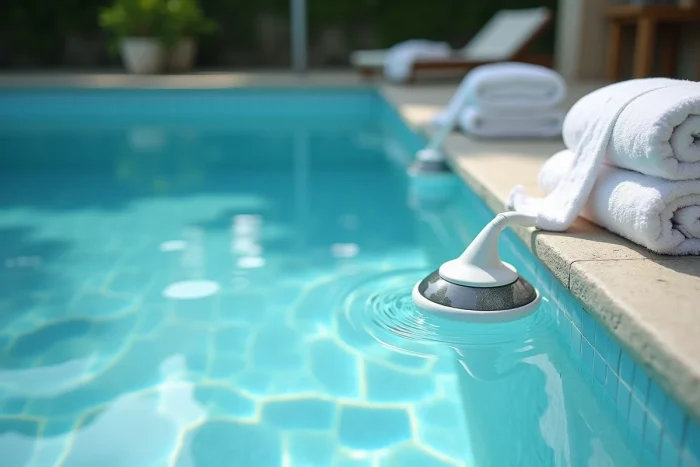
Mineral magnesium salt: composition, dosage, and impact on annual maintenance cost
The salt used in a magnesium system is not ordinary pool salt. It is a mixture of sodium chloride and magnesium chloride in controlled proportions. This composition comes at a significantly higher price than traditional pool salt.
The additional cost of mineral salt is the most impactful recurring item in the budget of a magnesium pool. With each upgrade or partial drain, the replenishment of enriched salt weighs more than in a standard salt system.
In return, several factors reduce ancillary expenses:
- The increased stability of pH decreases the consumption of pH corrector (pH minus or pH plus), an item that can represent a notable part of the product budget for a traditional salt pool.
- The natural flocculating power of magnesium reduces or even eliminates the need for chemical flocculants or clarifiers.
- The lower production of chloramines limits partial renewal drains, a critical point in areas subject to prefectural water restrictions during drought periods.
In the long term, the reduction in partial drains partially offsets the additional cost of mineral salt, especially for owners located in departments where filling is regulated by decree.
Automatic regulation and maintenance: what magnesium changes in technical monitoring
A magnesium system does not exempt from rigorous regulation. The pH must remain around 7.2 for the chlorine produced by electrolysis to maintain its oxidizing effectiveness. The good news: magnesium water tends to buffer pH more consistently than pure salt water, which reduces the frequency of manual adjustments.
We still recommend installing an automatic pH regulator coupled with the electrolysis cell. In a converted pool, this regulator is sometimes already in place. In a new installation, it is part of the package offered by specialized MagnaPool pool builders.
Annual maintenance contracts including magnesium
Maintenance professionals are beginning to offer specific contracts for magnesium pools. These contracts generally include checking the electrolysis cell (descaling, electrode verification), analyzing the dissolved magnesium content, and readjusting the mineral salt dosage.
The cost of an annual contract for a magnesium pool is slightly higher than that of a standard salt contract, mainly due to the specificity of consumables and the additional diagnostic time on the cell.

Magnesium pool and environment: beyond swimming comfort
The wellness argument (soft skin, absence of eye irritation, muscle relaxation related to magnesium) is widely covered by existing content. The environmental angle deserves more technical attention.
The magnesium treatment reduces the amount of chlorinated by-products released during drains. Chloramines and trihalomethanes, formed by the reaction of chlorine with organic matter, are produced in lesser quantities in properly balanced magnesium water. During a drain (even partial), the discharged water therefore contains fewer harmful residues for sewage systems and natural environments.
Less chlorinated by-products also means less water renewal needed to maintain an acceptable swimming quality. In a context of increasing water stress, this advantage takes on both an economic and ecological dimension.
The glass media used in MagnaPool installations is itself a recycled product, which reinforces the environmental coherence of the system. The lifespan of this filtering media exceeds that of sand, which spaces out replacements and reduces waste generated by filtration.
The magnesium treatment does not eliminate chlorine: it modifies its production and limits its side effects. It is this technical nuance that justifies the initial additional cost and guides the choice towards this system for owners seeking a balance between swimming comfort, controlled long-term budget, and reduced chemical footprint of their pool.