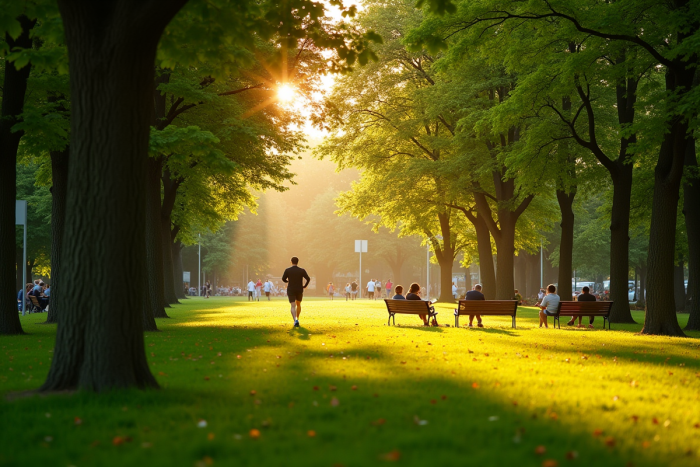
In Paris, the density of green spaces per inhabitant remains one of the lowest in Western Europe, despite an ambitious urban planning policy. Some animal species, long absent from urban centers, are reappearing in densely populated neighborhoods, defying predictions of decline. According to the World Health Organization, a minimal threshold of 9 m² of green space per inhabitant is rarely reached in large French metropolitan areas.
This phenomenon raises unexpected issues for city management and public health. Local authorities and residents are faced with new responsibilities.
Urban biodiversity, a living heritage often overlooked
When we think of biodiversity in the city, it is not just about a few pigeons on the rooftops or a couple of trees planted haphazardly. This living fabric permeates neighborhoods, shapes daily life, and shelters sometimes threatened species out of sight. Paris, Marseille, Bordeaux, Lille… each metropolis hides a multitude of plants and animals, much more varied than one might suspect, and which quietly resist the pressure of concrete.
Urban spaces are transforming into true laboratories of applied ecology. In Brest, rare lichens are making their way on old walls. In Lyon, it is not uncommon to spot a fox in a park at dusk. In Toulouse, the Bois de Montmaur in Montpellier attracts families and nature enthusiasts, proving that biodiversity does not only thrive in large national parks. Oaks, maples, and ferns coexist there, while woodpeckers and hedgehogs remind us that urban wildlife is anything but anecdotal.
Here are the major axes that structure this dynamic:
- Preservation of biodiversity: regular inventories, scientific monitoring, and involvement of local authorities give substance to this shared vigilance.
- Ecological transition: green corridors and gradual abandonment of chemical products initiate a profound change.
- Social issues: the population is invited to participate from school, to co-construct projects, and to integrate nature into daily life.
Recognizing this living heritage as a collective wealth is the real challenge. The decisions made today will weigh on the future of these fragile ecosystems, at the very heart of the city.
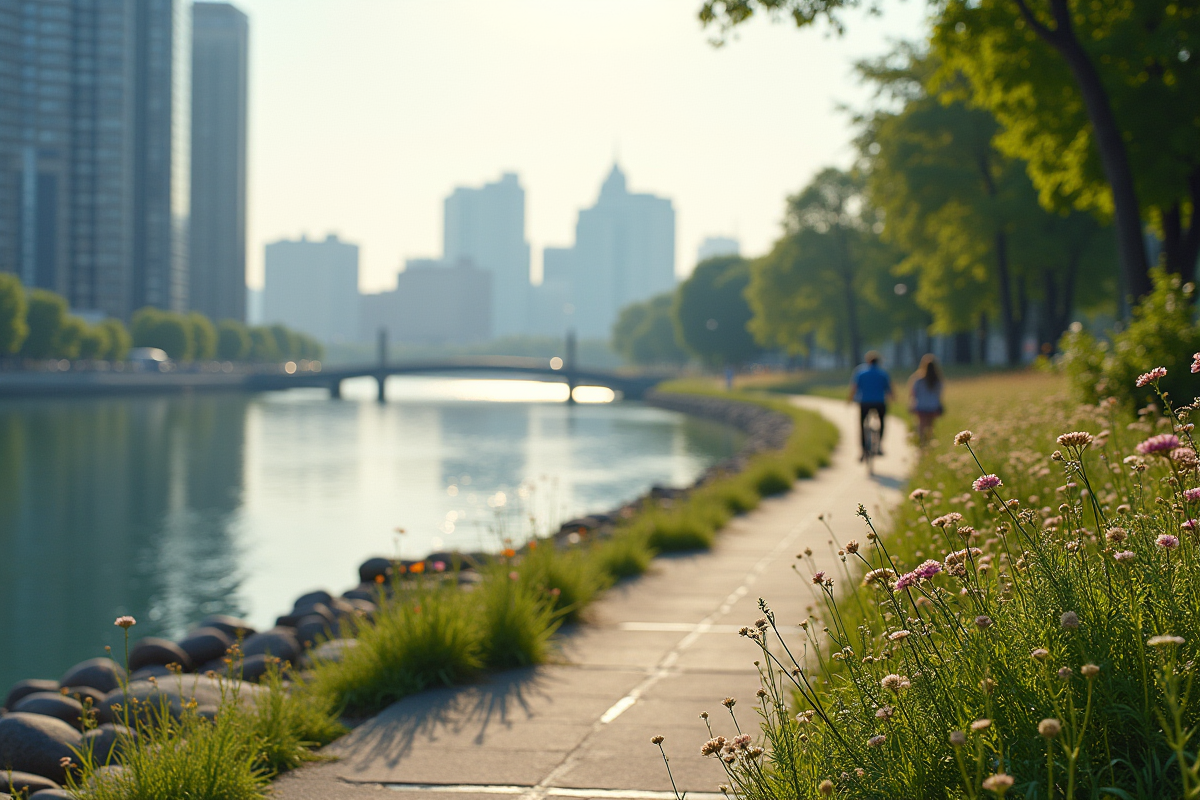
Oases in the city: how green spaces transform quality of life and mobilize citizens
Urban green spaces have the power to disrupt the routine of a neighborhood. A park, a few gardens, even a rehabilitated vacant lot, are enough to change the face and atmosphere of an area. Young and old, children and adults, invest in these places, recharge there, and find a rare sense of calm in the heart of the city. The shade of a tree, the song of a bird, the coolness of a pond: here, every detail matters.
Civic engagement is gaining momentum. Groups of residents are active in creating, maintaining, or reviving these spaces. Preferring fruit trees, banning chemical treatments, creating ponds or flower meadows: each action reflects a shared desire to bring nature back into the urban fabric. Shared gardens are blooming, wastelands are turning into refuges, and neglected lots are finding a new purpose. These are all concrete responses to the densification of cities.
Some levers for action
Several concrete avenues are available to local authorities and residents to strengthen this dynamic:
- Develop parks and gardens in peripheral areas, where the lack is felt
- Adopt ecological management, limiting the use of chemical products and promoting plant diversity
- Actively involve local residents in planning decisions, so that everyone feels concerned
The addition of water points or shaded areas is not just an aesthetic issue. These developments contribute to public health, mitigate heat peaks, and encourage the return of diverse flora and fauna. These spaces then become, far beyond mere places of relaxation, factors of social transformation, driven by collective mobilization.